


A Place Where My Daughter Belonged: Neurodiversity, Judaism, and Summer Camp at Ramah Nyack
https://ramahnyack.org/wp-content/uploads/2026/02/Untitled-design-1-1024x683.png 1024 683 Ramah Day Camp In Nyack Ramah Day Camp In Nyack https://ramahnyack.org/wp-content/uploads/2026/02/Untitled-design-1-1024x683.png A Place Where My Daughter Belonged: Neurodiversity, Judaism, and Summer Camp at Ramah Nyack
By J. Robbins, parent of a Kochavim camper, Ramah Nyack – Summer 2025
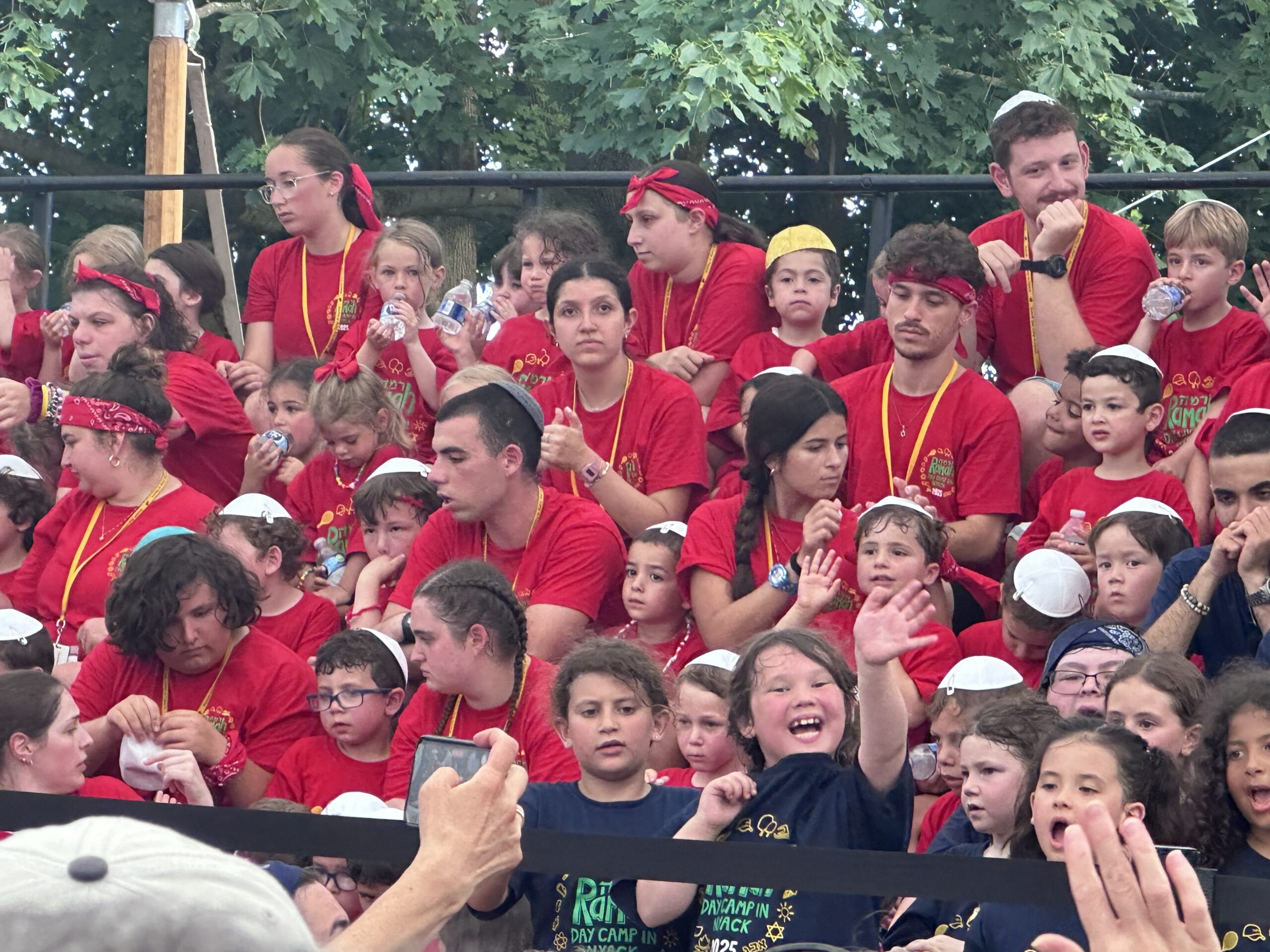
If you had a child at Ramah Nyack this summer, you likely still have migrash hits like “Ring Ring” and “DJ” stuck in your head this winter. For me, these ear worms are 118% worth it.
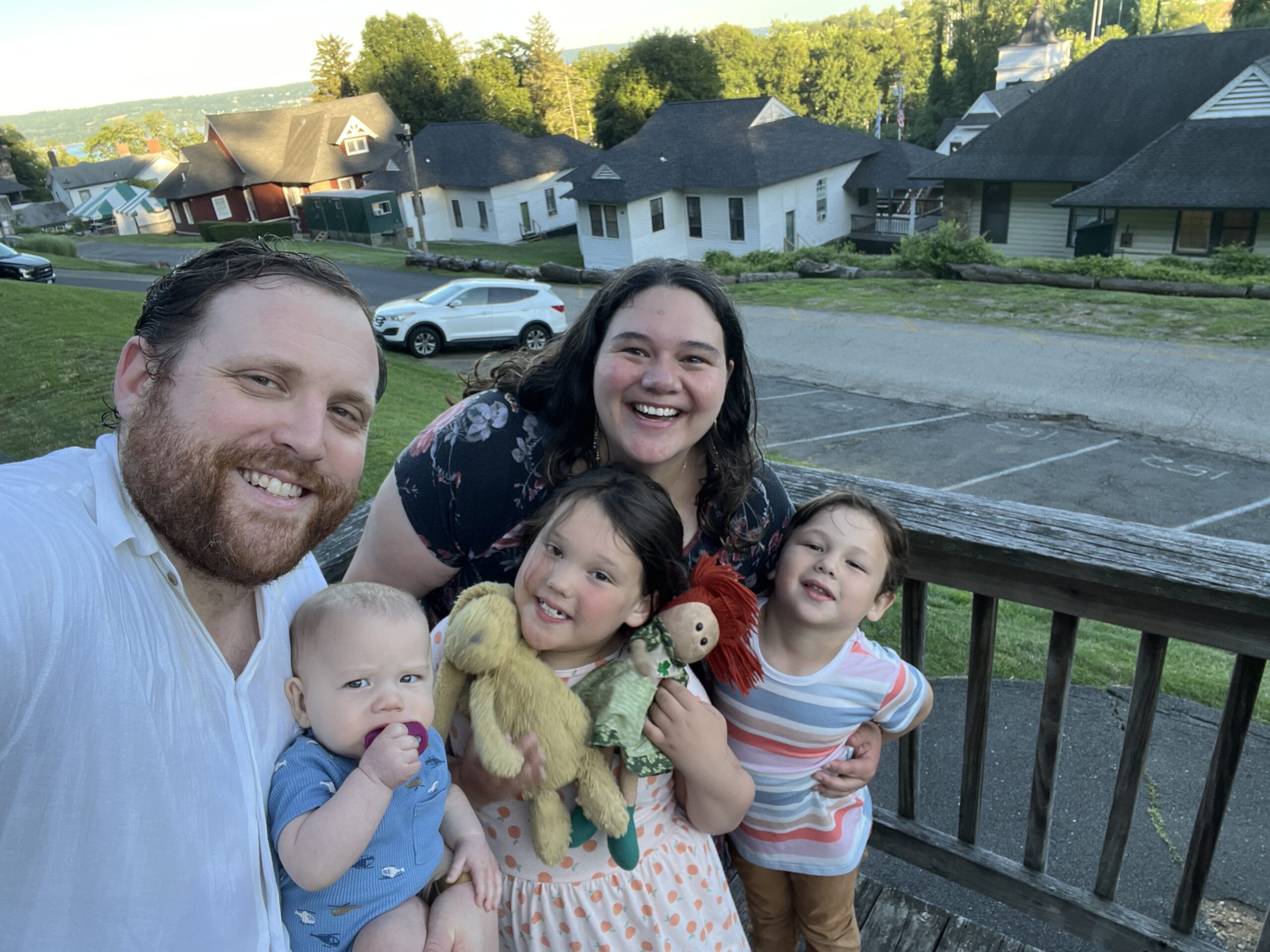
My 5 ½ year old daughter, Chaviva, is neurodivergent and loves being Jewish. Before the summer, I had worried those two truths might conflict when considering a summer camp. I could not have been more wrong. Every experience at camp demonstrated to me that Chaviva was wanted—not merely accommodated or tolerated. She was consistently included, encouraged, and celebrated.
Ramah Nyack is inherently neurodiversity-affirming: the abundance of physical activity, the hands-on approach to Jewish learning, the pacing of the day, and the deep thoughtfulness given to each camper and family all reflect this. From breaks in the sensory gym to support making friends, a wide spectrum of Chaviva’s needs were met in a way that honored her differences rather than suppressing them. The extra care provided for Chaviva made the summer magical for her. This care extends to my husband and myself with consistent check-in calls that always ended in a genuine, “Chaviva is a delight. Thank you for allowing us to partner with you in supporting her; we really appreciate your involvement.” A dream for a Jewish mother to hear!
Beyond the support I received as a parent, Chaviva’s counselors were wonderfully skilled at inclusion. They created a buddy system that encouraged children to socialize in pairs, making it easier for Chaviva to form connections and then integrate into the larger group. Her confidence grew, and she loved telling us about camp—who wore tutus and sparkly shoes, and who taught her the bubblegum game or the pickle game (don’t ask—I still don’t understand it).
Over the summer, Chaviva not only learned how to ask for help—she enjoyed doing it. One day she came home excitedly announcing, “Mommy and Daddy, my counselors made a keychain for me! Look at my backpack!” The keychain included cards to help her communicate her needs: hunger, thirst, tiredness, break, bathroom. She loved it and began using it at home as well. Proudly communicating her needs and advocating for herself became a major area of growth.
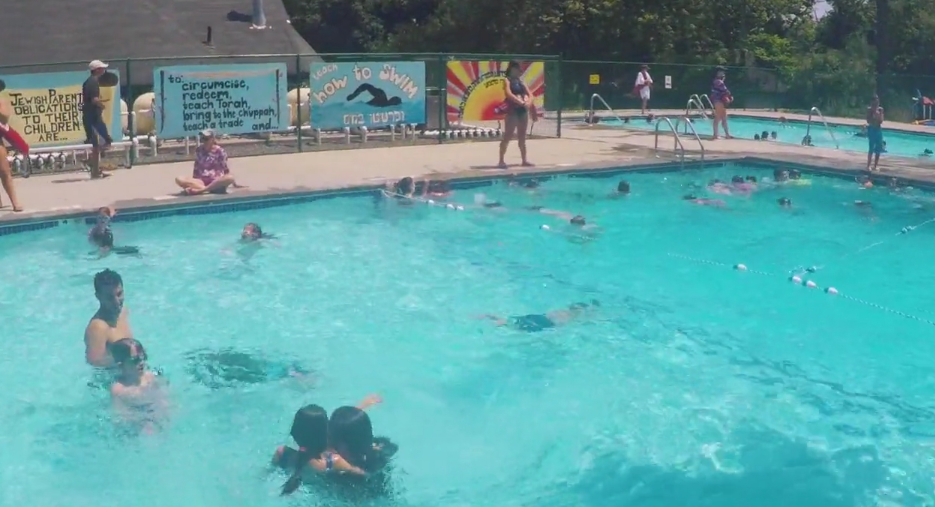
Chaviva loved being with her friends in Kochavim. She loved dancing on the migrash. She engaged meaningfully with Torah through hands-on art projects about Creation, and even asked thoughtful questions while reviewing Devash (Hadar Institute’s Weekly Parashah Magazine) at home. She regulated her nervous system through swimming twice daily and constant movement, and her vocabulary and expressive language grew exponentially through joyful learning, creating, and belonging. She was happy. She was celebrated. She belonged.
We can’t wait to see what’s in store for her next summer when she returns. Even if it’s more “Ring Ring.”
 .
.